Winter Crops for Bioenergy and More
March 29, 2011
Central Pennsylvania Convention Center and Visitor's Bureau
State College, PA 16801
Topics/Program (links to presentations)
| 8:30 | Sign-in and Coffee |
| 9:00 | Welcome |
| 9:15 | Cover Crops as Energy Crops: A Hidden Treasure Tom Richard, Director, Penn State Institutes of Energy and the Environment |
| 9:45 | Rationale of Winter Crops and Double Crops for Bioenergy and More Greg Roth, Professor, Department of Crop and Soil Sciences |
| 10:15 | OSAGE Bio Energy: Maximizing Bioprocessing to Create Food and Fuel and Barley Contracting Overview Bill Scruggs, Director Agribusiness Development, Osage Bio Energy, Hopewell, Virginia |
| 11:00 | Break |
| 11:15 | Canola as an Alternative Crop Running the Tractor on SVO nad Biodiesel from Oil Crops Don Rill, Research Specialist, Farm Operations, Doug Schaufler, Bioenergy Specialist, Farm Operations |
| 12:00 | Lunch |
| 1:00 | Camelina: A Winter or Double Crop with New Market Opportunities Camelina Meal for Poultry Greg Roth, Professor, Department of Crop and Soil Sciences, Paul Patterson, Professor, Poultry Science |
| 1:45 | Producer Panel: Opportunities and Challenges with Winter Crops Joel Myers, Crop Advisor and Producer, Spring Mills, PA, moderator, Calvin Ernst, Ernst Seeds, Meadville, PA, Joe Anchor, Keystone Group, New Columbia, PA |
| 2:15 | Life Cycle Assessment and Winter Cropping Systems Sabrina Spatari, Assistant Professor, Drexel University, Philadelphia, PA |
| 2:45 | Assessing Benefits of Winter Crops Centre County | Lancaster County NRCS RUSLE2 Estimated Erosion Dan Dostie, State Agronomist, USDA-NRCS, Harrisburg, PA |
| 3:15 | Panel Discussion: Winter Crops Research Needs and Opportunities |
| 3:45 | Discussion |
| 4:00 | Conclusion |
About the Event
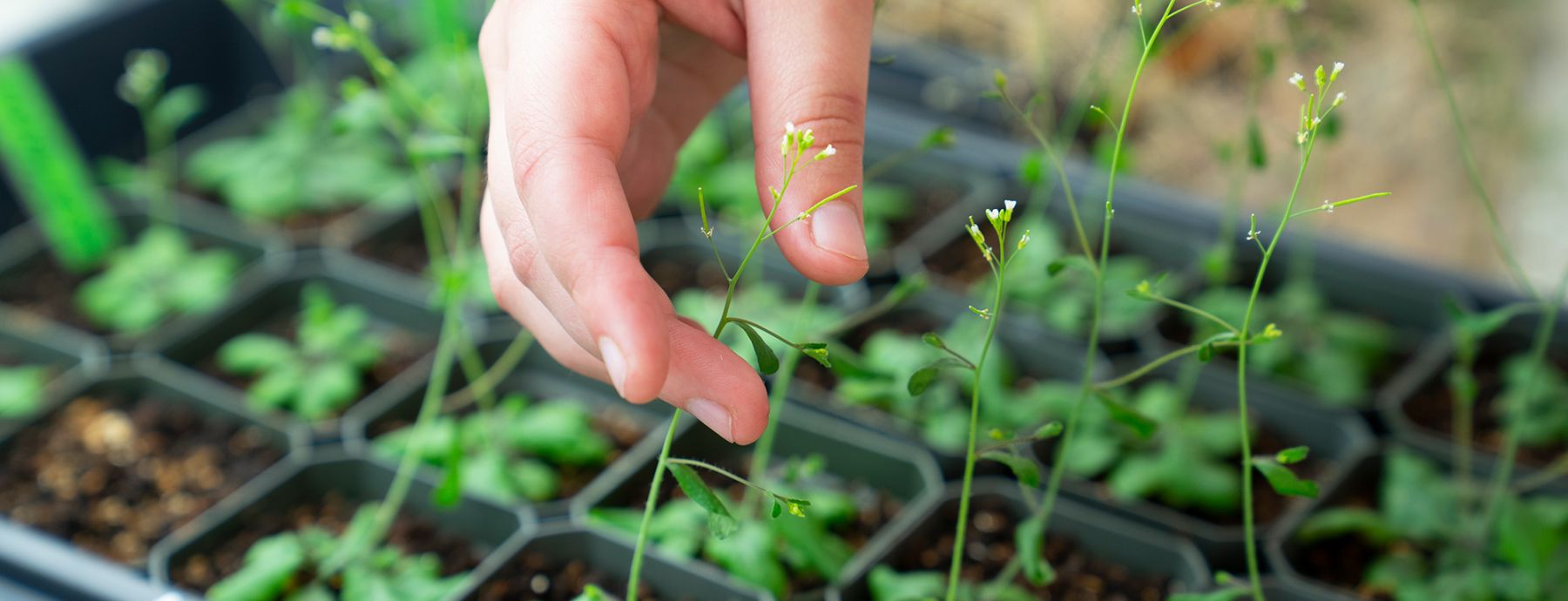
Winter crops such as small grains, brassicas, and other cover crops have considerable potential as resources for increasing the potential yields from cropping systems and providing more potential resources for bioenergy, feed, or other value added products. Markets are developing in the region for several of these key crops.
These crops can also play an important role in reducing soil erosion, building soil quality and increasing the diversity of our cropping systems. Capitalizing on winter crop potential, however, requires a clear understanding of the economic potential of the crop and potential co-products, the labor and management associated with double cropping, the impact on subsequent crops, the potential impacts of the crop on soil and environmental issues and any associated economic benefits from these impacts.
This one day workshop will explore these and related questions as national and regional experts in winter crops gather to discuss the latest developments in this promising area.
Who Should Attend?
The workshop is intended for agronomists, crop producers, non-profit and government agency professionals who wish to increase their understanding of the potential of winter crops in our region. Project developers, public officials and policymakers are encouraged to attend as well.
Speakers
We are pleased to have some leading industry, academic and government experts in the region who have been working in this arena joining us for this event. This is an excellent opportunity to increase your understanding of the opportunities and challenges for winter crops in the mid-Atlantic region.
The current list of speakers includes:
- Bill Scruggs, Osage Ethanol
- Tom Richard, Penn State Institutes of Energy and the Environment
- Joel Hunter, Penn State Coop. Extension, Crawford County
- Paul Adler, USDA-ARS
- Greg Roth, Department of Crop and Soil Sciences, Penn State
- Don Rill and Doug Shauffler, Farm Operations, Penn State
Registration Information
Register online at: http://guest.cvent.com/d/mdqbxz
Registration cost: $35 (after March 18, the price rises to $45). - includes lunch, morning and afternoon coffee break.
Contact
If you have questions, please contact:
- Daniel Ciolkosz at dec109@psu.edu, 814-863-3484
- Sandy Maitland at slm30@psu.edu, 814-865-1507


